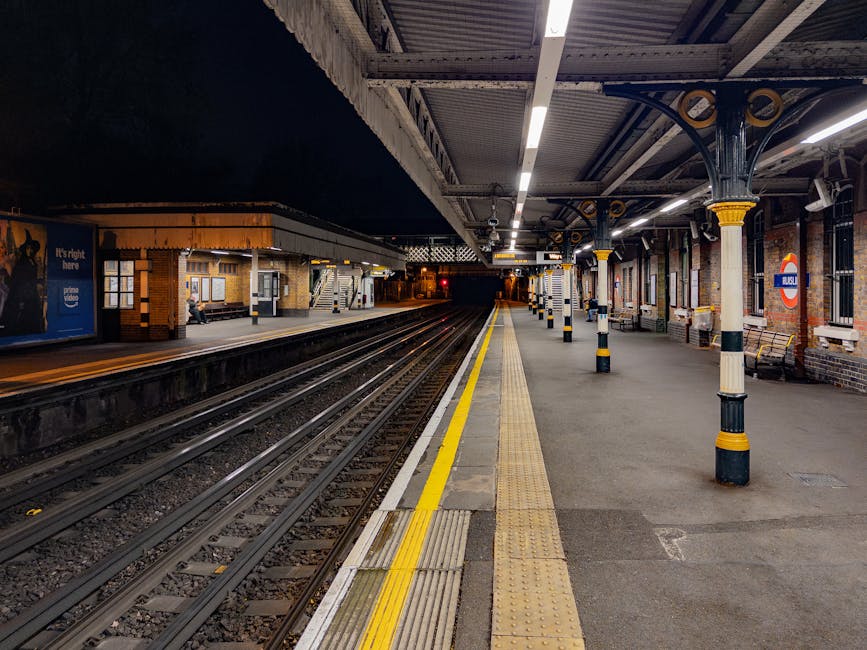
Bermondsey station short haul removals in SE1: a practical guide for fast, local moves
If you are planning Bermondsey station short haul removals in SE1, you are probably dealing with one of those moves that sounds simple until you start counting boxes, stairs, parking space, and time. A short haul move can be a light domestic shift, a furniture run, or a quick business relocation across a few streets or a short drive away. The distance may be small, but the logistics still matter. In Bermondsey, with its busy roads, mixed-use streets, and stop-start traffic around the station area, a careful plan saves a lot of stress. This guide walks through what short haul removals involve, how they work, and how to get the move done without the usual last-minute scramble.
Whether you are moving a studio flat, shifting office items, or transporting a few large pieces of furniture, the aim is the same: keep it efficient, safe, and predictable. And, to be fair, that is exactly where a good local removals service earns its keep.
Why Bermondsey station short haul removals in SE1 Matters
Short haul removals are not just about covering a small distance. Around Bermondsey station, they are about timing, access, and keeping the move calm in a part of London where a few extra minutes can make a real difference. SE1 is busy. Parking is rarely generous. Streets near transport hubs can feel hectic even on a good day, especially if you are trying to move a sofa, a wardrobe, or an entire flat on a weekday morning.
That is why local knowledge matters. A short route across Bermondsey, London Bridge, Southwark, or nearby SE postcodes may sound straightforward, but the practical work happens at the kerbside, the stairwell, and the loading bay. You need enough vehicle space, the right timing for collection, and a crew that can work efficiently once on site. If you are only moving a few items, hiring a large lorry may be overkill. If you are moving more than you first thought, a flexible service such as man and van support can be a far better fit than trying to do everything yourself in a borrowed car.
The other reason this matters is fatigue. A short move is easy to underestimate. You might think, "It is only down the road." Then the boxes are heavier than expected, the lift is smaller than planned, and someone has to reverse a van while a delivery truck blocks the lane. Happens all the time. A good short haul arrangement reduces all that friction.
Expert summary: The real value in short haul removals near Bermondsey station is not mileage, it is coordination. When access, timing, and loading are handled properly, a small move feels much smaller.
How Bermondsey station short haul removals in SE1 Works
In simple terms, short haul removals are local moves completed over a short distance, usually within the same area or across neighbouring districts. The process often looks like this: the items are assessed, the right van size is chosen, the load is prepared, and everything is moved in one run or a small number of runs. For Bermondsey station removals, the journey itself is usually the easy part. The planning around it is what makes or breaks the day.
Most short haul moves follow a fairly consistent pattern. First comes the inventory: what is going, what is staying, and what needs dismantling or special handling. Next is access. Can the van stop close by? Is there lift access? Will the team need to carry items through narrow communal hallways or up multiple flights of stairs? These details shape the schedule more than the postcode does.
If you are moving household items, you may also want packing help. That can save a surprising amount of time, especially when the move is tied to a handover or tenancy deadline. Services like packing and unpacking services are useful when you want the actual move to feel less chaotic and more like a controlled handover.
For furniture-only moves, the process is similar but more focused. For example, a dining table, two chairs, and a bed frame may only need a short loading window. Even so, the driver still needs to protect the pieces, secure them in transit, and manage the route so the items arrive without scuffs. That is where a well-organised furniture pick up can make a lot of sense.
There is also the vehicle side of things. Some jobs only need a compact van. Others are better suited to a larger load space or a dedicated moving truck. The right choice depends on volume, weight, and how many stops you need to make. More on that below.
Key Benefits and Practical Advantages
Short haul removals near Bermondsey station are popular because they solve a very specific problem: local moving without the waste, cost, or hassle of using the wrong scale of service. When done well, they bring a few clear benefits.
- Lower travel waste: You are not paying for a long journey when the destination is only a short distance away.
- Better fit for small and medium loads: Ideal for single-room moves, student removals, furniture transport, and partial house moves.
- Quicker turnaround: Less driving, more loading and unloading efficiency, which keeps the whole day moving.
- Local route familiarity: A local team understands parking pressure, building access, and busy junctions near the station.
- More flexible scheduling: Short moves can often be planned around work, key collection times, or tight handover windows.
- Reduced personal strain: You do not have to rely on friends, repeated car trips, or a badly packed boot. Let's face it, that plan rarely ages well.
There is a practical side to sustainability too. Smaller, well-planned local moves can reduce unnecessary journeys and wasted space in the vehicle. If you care about making a move cleaner and more efficient, the company's recycling and sustainability approach is worth looking at before you book.
And if you are shifting white goods or bulky items, using the right specialist service matters. Fridges, washing machines, and similar items are awkward at the best of times, and they are not something to improvise with. The same goes for soft furnishings that are at the end of their life. A planned route is usually better than a heroic effort with a car that is too small and a back that will complain later.
Who This Is For and When It Makes Sense
Short haul removals are a strong fit for people and businesses who need something moved locally, but do not need a full-scale relocation package. In Bermondsey and the wider SE1 area, that usually includes a few common scenarios.
- Tenants moving between nearby flats and needing a quick, reliable way to transfer boxes and furniture.
- Homeowners relocating a small number of items, perhaps after a refurbishment or room reconfiguration.
- Students or sharers moving between addresses with limited furniture and tight timelines.
- Landlords or letting agents arranging removal of left-behind items or preparing a property for the next occupant.
- Small businesses shifting stock, files, desks, or equipment over a short distance.
- People buying or selling second-hand items who need one-off transport that is too bulky for a standard car.
It also makes sense when the move needs to happen quickly. Maybe a lease ends sooner than you expected. Maybe the keys are released in the afternoon and you need everything out before evening. Or maybe you have bought a sofa from another part of SE1 and just need it collected without turning your day into a two-person puzzle.
For business users, there is a close overlap with commercial moves and office relocation services. The scale may be smaller, but the need for care is the same. Computer monitors, filing cabinets, and boxed documents still need secure handling. In some cases, confidential materials may need separate disposal or transport planning, and that is where a service like confidential shredding can be relevant.
Step-by-Step Guidance
If you want a short haul removal to run smoothly, the best approach is simple: plan, pack, confirm, and keep the loading area clear. Here is a practical sequence that works well for most local Bermondsey moves.
- List everything that is moving. Write down furniture, boxes, fragile items, and anything awkward such as mirrors or appliances. Be honest about volume. People often forget the "small stuff" until it fills half the van.
- Check access at both ends. Think about stairs, lifts, entry codes, parking, and whether the vehicle can stop near the building. In SE1, access details are often more important than distance.
- Measure large items. Door frames, hallways, and lifts are the usual problem points. A wardrobe that fits in your room may still be a headache on the stairs.
- Decide whether you need packing help. If you are dealing with fragile crockery, glass, or mixed household items, packing and unpacking services can save time and reduce breakages.
- Choose the right vehicle. Smaller jobs may suit a simple van, while bulkier loads may need a larger option or a more robust removal truck hire arrangement.
- Separate items that need special handling. Appliances, mattresses, and sofas are often easier to plan separately. That avoids awkward surprises on moving day.
- Set a realistic move window. Add time for loading, parking, and any building access delays. Short haul does not always mean short duration.
- Confirm the booking details. Make sure the address, arrival time, access notes, and contact number are all correct before the day.
A small but useful tip: place the most important items in one clearly labelled bag or box. Keys, chargers, kettle, snacks, medication, documents, and a change of clothes. It sounds obvious, but you would be surprised how often this is the one thing people are hunting for at 9 p.m. when the last box still sits unopened in the corner.
Expert Tips for Better Results
Here is where the move gets easier, not harder. These are the habits that tend to separate a smooth short haul move from a slightly frazzled one.
Keep the load sequence practical
Start with the heaviest and most stable items. Sofas, bed bases, wardrobes, and white goods should go in first or be positioned so they do not crush lighter boxes. Then layer in cartons and softer items. The point is not just fitting everything in; it is making sure it arrives in the same shape it left.
Use the route to your advantage
In Bermondsey, the fastest route is not always the easiest loading route. A slightly longer local drive can still be the better choice if it avoids a nightmare parking situation. This is where a local operator's experience really helps. They know the rhythm of the area: when traffic eases, which streets clog up, and where a van can safely wait.
Keep fragile items separate
Glass, artwork, lamps, and electronics should be grouped and labelled clearly. If you are moving valuable or sentimental items, do not bury them under soft furnishings. That sounds obvious. It is not always done, though.
Ask about insurance and safety
It is sensible to ask how items are protected in transit and what happens if there is accidental damage. Reputable providers should be able to explain their handling approach clearly. You do not need jargon. You need plain answers. The company's insurance and safety information is a good place to understand that side of the service.
Use the move to declutter
Short haul removals are often the perfect excuse to let go of a few bulky items you no longer want. A worn mattress, an old sofa, or a broken fridge can be handled separately through the right disposal route rather than being dragged into the move for no good reason. If that applies, look at mattress and sofa disposal or fridge and appliance removal so you are not paying to shift clutter twice.
Common Mistakes to Avoid
A lot of short haul move problems are avoidable. Most of them come down to underestimating the job or leaving the awkward bits until the morning of the move. Been there, seen that, occasionally watched people realise a wardrobe is not going through a hallway it clearly was never meant to survive.
- Guessing the load size: If you understate how much needs to move, the vehicle may be too small and the day may stretch out.
- Ignoring access constraints: Lifts, permits, locked gates, and narrow staircases can add real delays.
- Leaving packing to the last minute: Loose items take longer to load and are more likely to break.
- Not separating disposal from moving: Items for disposal should not be mixed with the keep-and-move pile.
- Forgetting appliance preparation: Fridges and washing machines often need attention before transport, not after the van is already waiting.
- Assuming everything is the same size: Two small rooms can still generate a lot of awkwardly shaped items.
Another common issue is not asking enough questions before booking. A quick booking can still be a good booking, but only if the important bits are clear: what is being moved, how far, what access looks like, and whether the move includes help with packing or dismantling. Clear at the start, easier at the finish.
Tools, Resources and Recommendations
You do not need a warehouse of equipment to organise a short haul move well. A few simple tools and sensible decisions go a long way.
- Sturdy boxes: Use proper moving boxes for books, kitchenware, and mixed household goods.
- Packing tape and labels: Keep boxes secure and mark fragile or priority items clearly.
- Protective wrapping: Blankets, bubble wrap, or paper can help with fragile or awkward pieces.
- Furniture covers: Handy for sofas, mattresses, and upholstered chairs if the weather is damp.
- Basic tools: Screwdrivers, Allen keys, and tape measure for dismantling and reassembly.
- Inventory list: A simple phone note is enough. It helps keep track of what is going where.
For larger or mixed-purpose moves, it may also help to compare the service style you need. A straightforward man with van setup can be ideal for flexible, lower-volume jobs. A bigger move may call for house removalists or a more structured home moves service. The right answer depends on what you are actually moving, not just what the page title says.
If you are moving business items, it can be worth looking at the company's wider logistics options such as moving truck and commercial moves. For people who want help keeping costs transparent, the pricing and quotes page is a sensible starting point before making a booking decision.
Law, Compliance, Standards, or Best Practice
For most customers, the legal side of a short haul removal is simple enough: items should be moved safely, waste should be handled properly, and vehicles should not be loaded in a way that creates danger. In London, that often translates into practical best practice rather than heavy paperwork. Still, it is worth taking compliance seriously.
If you are disposing of items rather than moving them, make sure they are handled through an appropriate route. Some items, such as certain appliances or potentially hazardous materials, need care and cannot just be left with the rest of the load. If a move includes items you no longer want, separate them early and check the provider's approach to hazardous waste disposal and recycling. That helps avoid confusion on the day.
Security matters too. When you are moving documents, devices, or business equipment, ask how access is managed and how items are protected. Good practice is usually about clear labelling, careful loading, and sensible chain-of-custody habits rather than complicated procedures. For payments and booking, it is also normal to want reassurance about the process, which is why payment and security information can be useful before you commit.
If you are unsure what can be taken with a load that also includes disposal items, a plain-English guide like what can go in a skip can help frame the conversation, even if you are not actually hiring a skip. The key is matching the right item to the right disposal route. Simple, but important.
Options, Methods, or Comparison Table
Choosing the right removal method depends on volume, urgency, and how much help you want. Here is a straightforward comparison.
| Option | Best for | Strengths | Trade-offs |
|---|---|---|---|
| Man and van | Small to medium short haul moves | Flexible, efficient, well suited to local jobs | Less suitable for larger full-house loads |
| House removalists | Full home moves or more complex jobs | More structured support, good for bigger inventories | May be more than needed for a small local move |
| Moving truck hire | Bulkier loads or heavier furniture | More space, useful for larger item counts | Can be unnecessary for a light move |
| Furniture pick-up only | Single items or a few pieces | Simple and cost-conscious | Not ideal if you also need boxes or dismantling help |
For a Bermondsey station job, the right choice usually comes down to the shape of the move. A single sofa and a few boxes? A lean setup is probably enough. A one-bedroom flat with appliances and fragile items? You may want something closer to a structured home move. There is no prize for choosing the biggest option. The best option is the one that fits.
Case Study or Real-World Example
Imagine a tenant leaving a one-bedroom flat near Bermondsey station and moving a short distance within SE1. The load includes a bed frame, mattress, two shelving units, a desk, six boxes, and a couple of kitchen bags. Nothing dramatic. But there is a narrow stairwell, a shared entrance, and a parking space that cannot be assumed until the last minute.
In this sort of move, the useful approach is to keep the load light, label everything clearly, and book a vehicle that can park close enough to keep carrying distances short. The bed frame is dismantled the evening before. The mattress is wrapped. The books go into small boxes, because heavy boxes and books are never friends. One person stays with the keys and access codes, another keeps an eye on the hallway, and the van is loaded in a tidy order so the desk and shelves can come out first at the other end.
The move finishes faster than expected, not because it was trivial, but because the awkward parts were handled before moving day. No drama. No frantic rearranging in the rain. Just a practical, calm transfer from one SE1 address to another. That is the goal, really.
Practical Checklist
Use this checklist the day before your move. It is simple, but it catches the small things that often become big things.
- Confirm the address, date, and arrival window.
- Check parking and access at both properties.
- Measure large furniture and doorways.
- Finish dismantling items that need it.
- Label boxes by room and priority.
- Set aside valuables, documents, and essentials.
- Wrap fragile items properly.
- Separate disposal items from moving items.
- Make sure appliances are ready for transport.
- Keep phone numbers charged and accessible.
- Clear hallways and loading areas where possible.
- Have keys, codes, and building contact details ready.
Quick takeaway: The smoother the preparation, the shorter the move feels. Most delays are not caused by distance. They come from missing information, poor access, or a box that should never have been that heavy in the first place.
Conclusion
Bermondsey station short haul removals in SE1 are all about making a local move feel controlled rather than rushed. The right service should match the size of the job, the access at both ends, and the way you actually live or work. Small move, yes. Small details? Not really. Those details are the whole thing.
If you plan properly, choose the right vehicle, and keep the load organised, a short haul removal can be surprisingly straightforward. It can even feel satisfying, which is not a word people use about moving very often. And if you are dealing with mixed items, furniture, appliances, or a business relocation, it helps to work with a provider that understands the practical realities of SE1 and nearby streets.
Get a free quote today and see how much you can save.
Sometimes the best move is the one that feels uneventful in the end. Calm, tidy, done. That is a good day.
Frequently Asked Questions
What counts as a short haul removal near Bermondsey station?
A short haul removal usually means moving items over a short local distance, often within SE1 or nearby areas. It is commonly used for small home moves, furniture transport, or partial relocations.
Is a man and van service enough for a Bermondsey short move?
Often, yes. If you are moving a modest load and do not need a full removals team, a man and van style service can be a practical fit. For larger or more complex jobs, a bigger setup may be better.
How far in advance should I book a local removal in SE1?
For a straightforward short haul move, a few days' notice may be enough, but earlier booking usually gives you more flexibility. If your move depends on a key handover or a fixed access slot, book sooner rather than later.
Can short haul removals include furniture dismantling?
They often can, depending on the service chosen. Beds, desks, and some wardrobes may need dismantling before moving, especially if there are tight stairs or narrow doorways involved.
What if I only need one or two items moved?
That is exactly the kind of job short haul removals handle well. A furniture pick-up or a small van job is usually more sensible than hiring a large vehicle for one sofa or one table.
Are appliances included in short haul removals?
Sometimes, yes, but appliances need to be handled correctly. Fridges and similar items may require a dedicated fridge and appliance removal service, especially if the item is heavy or needs special preparation.
How do I avoid parking problems near Bermondsey station?
Check the access at both addresses in advance and share any parking restrictions or loading limitations with the removals provider. In busy parts of SE1, that small step can save a lot of hassle on the day.
Is packing service worth it for a short move?
If you have fragile items, a lot of mixed household goods, or a tight deadline, packing help can be worth it. It tends to reduce breakages and makes loading far quicker.
What should I do with unwanted items during a move?
Separate them from the items you are keeping. Sofas, mattresses, fridges, and similar pieces can often be dealt with through the appropriate disposal service rather than being moved twice.
Can short haul removals work for office equipment too?
Yes. Small office moves, desk transfers, and equipment relocation are common local jobs. For business users, office relocation services and commercial moves are more appropriate than treating it like a household move.
How do I know which vehicle size I need?
The best way is to make a list of what is moving, including furniture dimensions if possible. If you are unsure, ask for guidance based on item count, access, and whether the move includes boxes, appliances, or bulky furniture.
What is the best way to keep a short haul removal stress-free?
Keep it organised, label everything, confirm access details, and avoid leaving packing until the final hour. A calm plan really does make the day feel lighter.