Maltby Street Market removals tips for market traders: a practical guide to moving stock, kit, and stall gear without the chaos
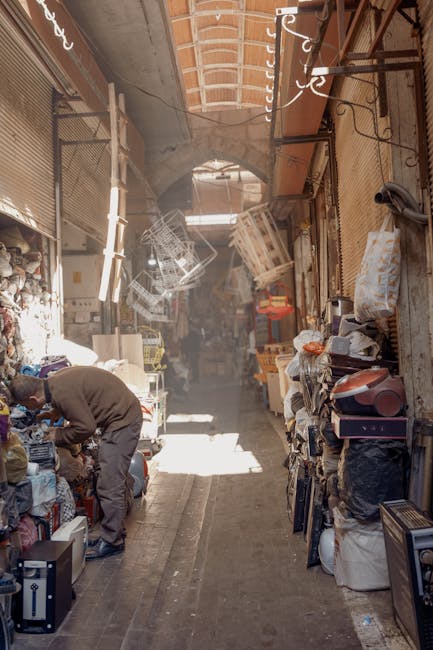
If you trade at Maltby Street Market, you already know the job is part craft, part logistics, and part clock-watching. One minute you are serving customers under the railway arches, the next you are thinking about crates, refrigeration, signage, heavy equipment, and how on earth to get everything out before the last trolley rolls away. That is where Maltby Street Market removals tips for market traders really matter: not as theory, but as a way to keep your trading day calm, your stock safe, and your setup ready for the next service.
Whether you are changing stall location, upgrading your display, clearing out worn fixtures, or handling a bigger commercial move, the basics are the same. Plan early. Reduce what you carry. Pack smart. Protect fragile items. And make sure the removal itself fits the realities of market life, which, let's face it, is rarely forgiving if you are late by even ten minutes.
This guide pulls together the practical side of moving for market traders in a busy London market setting. You will find step-by-step advice, common mistakes, a comparison of move options, a realistic example, and a checklist you can actually use.
Table of Contents
- Why Maltby Street Market removals tips for market traders Matters
- How Maltby Street Market removals tips for market traders Works
- Key Benefits and Practical Advantages
- Who This Is For and When It Makes Sense
- Step-by-Step Guidance
- Expert Tips for Better Results
- Common Mistakes to Avoid
- Tools, Resources and Recommendations
- Law, Compliance, Standards, or Best Practice
- Options, Methods, or Comparison Table
- Case Study or Real-World Example
- Practical Checklist
- Conclusion
- Frequently Asked Questions
Why Maltby Street Market removals tips for market traders Matters
Market trading is different from a normal shop move. You are often working to narrow windows, shared access points, and tight storage. Add in crates, chilled stock, display boards, umbrellas, tables, card machines, packaging, and the odd awkward item that "looked smaller on paper", and a simple move can become a messy day very quickly.
Good removal planning matters because it protects four things at once:
- Your stock - damaged produce, packaged goods, or specialist items can wipe out margin in a flash.
- Your setup - stall furniture, branded signs, and display kit are expensive to replace.
- Your timing - markets run on rhythm; a late arrival can throw off the whole day.
- Your energy - if the move is frantic, you start the day tired, and that shows.
To be fair, traders often become excellent movers by necessity. You learn very quickly that a bad packing choice costs you time, and time is the one thing you never seem to have. The trick is turning that hard-earned instinct into a repeatable system.
A well-managed move also helps if you are planning a wider business shift, such as moving from one stall format to another, expanding into a second location, or streamlining the way you store and transport goods. In those cases, a commercial removal approach is often more sensible than trying to do everything yourself. If that sounds familiar, it can be helpful to look at commercial moves support alongside your own checklist.
How Maltby Street Market removals tips for market traders Works
At its core, a trader move has three stages: preparing the load, transporting it safely, and setting it back up in a way that makes sense for trading. Sounds simple, but the real work is in the decisions you make before anything touches a van.
First, you need to separate what is moving, what is being replaced, and what should be disposed of. That one step saves far more time than most traders expect. Second, you need to think about access: narrow lanes, loading times, handball distances, and where the vehicle can legally stop. Third, you need a loading plan that respects weight, fragility, and order of use. Your first-out items should not be buried under the things you will not need for two days.
If you are using a man and van style service, the move usually becomes easier because the vehicle size can be matched to the load. That is especially useful for traders who do not need a huge lorry but do need flexibility, quick turnarounds, and a team that can handle awkward stock or equipment. A flexible option like man and van support can be a good fit for smaller market loads, while a larger clear-out may call for a different setup.
You will also want to decide whether some items should be packed separately for later access. For example, a trader who uses chilled products may need one load for dry kit and a second for temperature-sensitive items. A bakery trader might separate delicate display trays from heavier shelving. A coffee stall may need the grinder, machine parts, cups, and signage moved in a very specific sequence. Little things, but they matter.
Key Benefits and Practical Advantages
When you move your stall stock and equipment properly, the benefits are immediate. Nothing glamorous. Just fewer headaches, fewer damaged items, and a smoother setup next time.
- Less waste - you avoid hauling broken, obsolete, or duplicate items you no longer use.
- Faster loading and unloading - labelled crates and grouped gear save precious minutes.
- Better stock control - you know exactly what moved, what stayed, and what needs replacing.
- Safer handling - fewer injuries, fewer awkward lifts, fewer "we'll just wing it" moments.
- Cleaner stall resets - everything arrives where it should, not in one mixed-up heap.
There is also a commercial upside. Traders who move with a plan tend to recover faster after a location change or equipment refresh. That matters because the first trading session after a move can be a bit fragile. If the setup is off, customers notice. If the signage is missing, they notice that too. If your payment kit is still buried in a box somewhere, well... that is not ideal, is it?
Another often-overlooked benefit is sustainability. A more selective move means less unnecessary transport and less junk heading to disposal. If you are trying to reduce waste and make better decisions about unwanted items, a sensible disposal plan can sit alongside your move. For broader reuse or disposal of surplus furniture, you may find furniture pick-up useful, and for a business-minded approach to lower-impact handling, it is worth thinking about recycling and sustainability as part of the process.
Who This Is For and When It Makes Sense
This kind of planning is useful for any trader who regularly moves equipment, but it is especially relevant if you:
- run a food or drink stall with chilled or fragile stock
- use branded counters, tables, or display stands
- store stock off-site and transport it in stages
- are relocating your stall contents between locations
- need to dispose of damaged fixtures or old appliances
- are refreshing your setup before a busy trading period
It also makes sense if you are a small trader doing most of the moving yourself but want one professional lift where it counts. Truth be told, there is a point where saving a little cash costs more in stress, damage, or time lost. If the items are bulky, the access is awkward, or the equipment is valuable, a more structured removal setup is usually worth it.
For traders with a wider business move, the decision may go beyond the market stall itself. Some setups are closer to an office relocation than a simple van run, especially if you are moving admin equipment, documents, storage, and back-of-house stock together. In those cases, office relocation services can be a more fitting reference point than a basic household move.
Step-by-Step Guidance
Here is a practical way to handle a market trader removal without letting it run away from you.
1. Audit everything before you pack
Start with a full list of what is moving. Split it into keep, repair, dispose, and donate or reuse if that applies. Be honest here. That wobbly shelf you have patched three times may not deserve another move.
2. Measure the awkward items
Check the height, width, and depth of anything bulky: gazebos, shelving, fridges, prep tables, or branded counters. Measure the access too. A van load is only useful if the item actually fits through the doorway and down the path.
3. Pack by function, not by whatever box is nearest
Group items by how they will be used on arrival. For example:
- trading essentials
- packing materials
- signage and branding
- electrics and cables
- cleaning kit
- spares and repair parts
That way, when you arrive, you are rebuilding a stall rather than opening a mystery archive.
4. Protect fragile and food-related kit properly
Use padding, wrapping, and secure stacking for glass jars, jars with lids, ceramic trays, coffee equipment, and anything with handles or seals. If you are moving appliances or chilled storage, make sure they are prepared correctly. For larger or specialist items, it can be worth using a service experienced with fridge and appliance removal rather than improvising.
5. Label clearly and simply
Keep labels obvious. "Front table", "till kit", "dry stock", "fragile", "do not stack", "first unload" - that sort of thing. You do not need a colour-coded masterpiece. You need something your tired self can read at 6.30 in the morning with one eye open.
6. Decide what is being disposed of before move day
Do not mix waste, old stock, and reusable equipment in the same load unless you absolutely have to. Broken furniture, damaged displays, and worn-out seating are better removed separately. For bulky soft furnishings, mattress and sofa disposal is not directly market-specific, but the principle is the same: different waste streams need different handling.
7. Build a loading order
Load the vehicle so the heaviest, least fragile items go in first, with lighter and more delicate pieces protected on top or around them. Keep the first things you will need last in, or ideally in a separate section near the door.
8. Leave room for the reset
A move is not finished when the van doors close. It is finished when you can open the last box, find the key items, and get trading again without hunting around for the card reader or your best knives.
That final point is where a lot of people slip up. They focus on the transport and forget the reopening. A tidy move is really a setup for the next day's revenue.
Expert Tips for Better Results
If you want the move to feel less chaotic and more controlled, these are the things that tend to make the biggest difference in real life.
- Use fewer, better boxes. Cheap boxes collapse at the worst possible time. It is one of those tiny annoyances that somehow ruins your mood for an hour.
- Keep a "first hour" kit separate. Tape, scissors, cloths, pens, spare batteries, gloves, sanitizer, and the payment device should all be easy to reach.
- Bundle cables and accessories together. Zip ties or reusable straps stop wires turning into a knotty little mess.
- Photograph your setup before dismantling it. A quick picture of shelf layout, signage position, or cable routing can save ages later.
- Plan for weather. In London, one minute you are in drizzle, the next it is oddly bright. Protect paper stock and packaging from damp during the handover.
- Keep one person in charge. Too many helpers can actually slow things down. Someone needs to make decisions, even if they are not glamorous decisions.
If you are booking transport, match the vehicle to the real load rather than the "I think it will be fine" version in your head. A move that is slightly too small becomes a puzzle. A move that is oversized can be a waste. If you need a more robust option, moving truck or removal truck hire may suit larger or heavier trader loads.
One more thing. If you are also clearing out confidential paperwork, supplier records, or old customer documents, keep those separate from everything else. A secure document disposal option such as confidential shredding can help keep that side of the move tidy and compliant.
Common Mistakes to Avoid
Most trader move problems are not mysterious. They come from the same handful of mistakes, repeated in different ways.
- Leaving packing until the day before. That is how you end up taping boxes shut with whatever is nearest.
- Mixing stock with disposal items. It creates confusion and slows everything down.
- Forgetting about access restrictions. A van is useless if it cannot stop where you planned.
- Underestimating weight. Shelving, ceramics, drinks, and packaging can be surprisingly heavy.
- Not protecting corners and edges. One bad bump can split boards or chip displays.
- Moving too many small items loose. Loose items disappear. They always do.
- Ignoring the restart plan. If your best-selling items are buried, your first trading hour gets messy fast.
There is also a slightly sneaky mistake: keeping too much "just in case" stock. A market move is the perfect moment to trim the dead weight. If something has not earned its place in months, maybe it is time to let it go. Not everything deserves another trip in the van.
Tools, Resources and Recommendations
You do not need fancy equipment, but a few practical tools make trader removals much smoother.
| Tool or resource | What it helps with | Why it matters |
|---|---|---|
| Sturdy crates and boxes | Stock and equipment packing | Better stacking, less crushing, easier handling |
| Labels and marker pens | Identification | Speeds up unloading and stall rebuilding |
| Bubble wrap or paper padding | Fragile items | Reduces breakage during transport |
| Reusable straps or tape | Securing loose items | Keeps boxes and cables under control |
| Hand truck or trolley | Heavy lifting | Protects backs and saves time |
| Move inventory list | Planning and checking | Prevents items being lost or duplicated |
If you are making repeated trader moves, keep a permanent moving kit in storage. That kit should hold the basics you always seem to need: tape, scissors, ties, spare labels, a cloth, and a few strong bags. It sounds almost too simple, but in practice it saves a lot of faff.
For larger clear-outs, it can also help to know what can and cannot be bundled into general waste. While a market move is not the same as a skip load, what can go in a skip is a useful reference point for thinking about waste separation and avoiding surprises on collection day.
If you are choosing between doing the move yourself or booking support, think about three things: access, fragility, and time pressure. If any of those are awkward, a professional service is usually easier in practice. If you want to compare the available options and get a sense of likely pricing, the page on pricing and quotes can help you frame the conversation before you book.
Law, Compliance, Standards, or Best Practice
For market traders, compliance is not something to bolt on at the end. It should sit inside the moving plan from day one. The exact requirements will depend on what you trade, what you transport, and whether you are moving waste, food-related stock, confidential records, or appliances.
At a practical level, best practice usually includes:
- separating reusable stock from waste
- handling potentially hazardous items carefully
- keeping food items clean and protected during transit
- using suitable lifting methods for heavy or bulky goods
- checking access and parking arrangements in advance
- keeping records for disposal where appropriate
If you handle electricals, refrigeration units, or other specialist items, do not treat them like ordinary boxes. If you are not sure how an item should be moved or disposed of, get clarity before the van turns up. That simple pause can save a lot of trouble later.
It is also worth checking your own insurance and the mover's cover. Moving day is not the time to discover everyone assumed someone else was responsible. A sensible provider should be open about this, and a dedicated page like insurance and safety is a good sign that these details are taken seriously. If you want to understand the company background before booking, about us is another useful place to start.
For customers concerned about how data, payments, or personal information are handled during a commercial move, you may also want to review payment and security. It is boring, maybe. But boring is good when money and records are involved.
Options, Methods, or Comparison Table
There are a few common ways traders handle removals. The right choice depends on how much you are moving and how precious the items are.
| Method | Best for | Pros | Watch out for |
|---|---|---|---|
| Self-move with your own vehicle | Very small loads | Low direct cost, full control | Time pressure, poor loading, multiple trips |
| Man and van | Small to medium trader moves | Flexible, quick, practical for mixed loads | Needs clear instructions and good packing |
| Removal truck hire | Larger or heavier loads | More space, better for bulkier equipment | May be more than you need for modest loads |
| Specialist commercial move | Complex setups or multiple elements | Better coordination, less stress, more suitable for business gear | Usually requires more planning up front |
For many market traders, the middle option is the sweet spot. It is flexible enough for changing loads and usually easier to arrange around trading hours. If you are moving between stockroom and stall, or you have awkward but not enormous items, a man with van setup can be especially handy. If the move is heavier or you are combining trader gear with bigger business items, then looking at removal truck hire may make more sense.
Case Study or Real-World Example
Here is a realistic example from the sort of situation many traders recognise.
A food trader at a busy London market needs to replace a worn prep table, move a small fridge, shift dry stock, and remove a couple of old shelving units. The original plan is to "just do it in one trip" with a few helpers. By the time they start, though, everything is in the wrong place, the fridge has not been unplugged in time, and the old shelving is still mixed in with sale stock. Classic.
The better approach is to split the job into three parts. First, separate disposal items. Second, pack stock and tools into labelled crates. Third, load the fridge and heavy items last, with the right lifting help. One helper stays near the stall, one keeps track of the list, and the driver handles the route and timing.
The difference is obvious. The move feels calmer, the business kit arrives in a usable order, and the trader is not spending the next morning chasing missing labels or digging through a box of tangled leads. There is still some chaos, naturally - this is market life, not a showroom - but it is controlled chaos. Which, frankly, is the best kind.
That same trader may also choose to clear out old stockholding furniture or surplus items in a separate run. In a case like that, a simple collection service such as furniture pick-up can take a bit of pressure off the main move and keep the trading kit focused on what actually earns money.
Practical Checklist
Use this before move day, and ideally the day before too.
- Have I listed everything that is moving?
- Have I separated stock, equipment, and waste?
- Are fragile items wrapped and labelled?
- Have I measured the bulky pieces and access points?
- Do I know what needs to be loaded first and last?
- Is my first-hour trading kit easy to reach?
- Have I checked parking, access, and timing?
- Are cables, chargers, and payment devices packed together?
- Have I removed or isolated any confidential documents?
- Do I know which items need specialist disposal or extra care?
- Have I booked the right size vehicle or support level?
- Have I kept one person in charge of the move plan?
Expert summary: the safest way to handle trader removals is to reduce what you move, label what matters, protect the fragile bits, and keep your opening setup separate from everything else. Simple. Not always easy, but simple.
Get a free quote today and see how much you can save.
Conclusion
For market traders, removals are rarely just about moving boxes. They are about protecting a working business under pressure, often in a tight space, with very little room for error. That is why the best Maltby Street Market removals tips for market traders are the practical ones: plan early, cut the clutter, label everything, and match the move method to the real load.
If you take one thing from this guide, let it be this: the easier you make the first hour after the move, the better the whole day feels. And that is usually where the real win is. Less scrabbling. Less stress. More trading.
When the process is handled properly, even a busy market move can feel strangely manageable. A bit of thought goes a long way, and honestly, that is no bad thing.
Frequently Asked Questions
What is the best way to move market trader equipment safely?
The safest approach is to separate heavy items, fragile stock, and loose accessories before loading. Use labelled crates, protect corners, and keep the first things you need near the door for quick access.
How far in advance should I plan a market stall removal?
Ideally, start a few days in advance so you can sort stock, decide what is being disposed of, and check access arrangements. If your setup is large or seasonal, give yourself even longer.
Is a man and van service suitable for Maltby Street Market traders?
Yes, often it is. It works well for smaller or mixed loads where flexibility matters more than vehicle size. If you have heavier equipment or more stock, you may need a larger vehicle or a more structured commercial move.
What should I not pack with my trading stock?
Do not mix waste, dirty items, and usable stock in the same boxes. Keep confidential papers separate, and treat appliances or chilled items carefully instead of packing them like ordinary crates.
How do I protect fragile display items during a move?
Wrap them individually, pad empty spaces inside boxes, and avoid overfilling. If you can hear items knocking around when you lift the box, it probably needs more cushioning.
Can I move a fridge or other appliance as part of a trader removal?
Yes, but appliances need sensible handling and proper preparation. For specialist items, a service experienced with appliance removal is usually safer than improvising on the day.
How do I reduce downtime after a market move?
Pack by function, label clearly, and keep a first-hour kit separate. The aim is to make reopening quick, not to create another unpacking project.
What are the most common mistakes market traders make when moving?
The biggest ones are leaving packing too late, underestimating weight, forgetting access restrictions, and mixing reusable kit with items meant for disposal. Those four catch people out all the time.
Should I dispose of old stall furniture before or after the main move?
Before the main move, if possible. Clearing unwanted items early makes loading easier and helps you avoid paying to transport things you no longer need.
Do I need to think about compliance when moving market trader items?
Yes. If you are moving food items, electrical equipment, documents, or waste, you should handle each category appropriately. Keep records where needed, and do not assume every item can be treated the same way.
What is the difference between a small commercial move and a normal house move?
A commercial move usually involves business equipment, stock, or customer-facing kit that needs to stay organised and usable. A market trader move often has more time pressure and more specialist handling than a standard household move.
Where should I start if I want help with my trader removal?
Start by listing what needs moving, what can be disposed of, and what must be accessible first on arrival. Then compare the move options and get a quote that matches the actual load, not the hoped-for version. It keeps everything calmer from the start.