Tower Bridge Road Office Removals for Bermondsey Shops: A Practical Guide for Busy Local Moves
If you run a shop near Tower Bridge Road, you already know that space is tight, timing matters, and every lost hour can ripple through the week. That is why Tower Bridge Road office removals for Bermondsey shops need a different kind of planning from a standard domestic move. You are not just shifting desks and boxes. You are protecting trading hours, keeping stock and paperwork under control, and making sure the move feels orderly rather than chaotic.
In Bermondsey, many shops operate with a small back office tucked behind retail space, upstairs, or across a narrow service entrance. That setup can make a move feel awkward very quickly. The good news? With the right approach, it does not have to be. This guide walks through how local office removals work, what to expect, which mistakes to avoid, and how to choose a move that suits a Bermondsey shop without turning the whole thing into a small disaster.
- Why Tower Bridge Road office removals for Bermondsey shops Matters
- How Tower Bridge Road office removals for Bermondsey shops Works
- Key Benefits and Practical Advantages
- Who This Is For and When It Makes Sense
- Step-by-Step Guidance
- Expert Tips for Better Results
- Common Mistakes to Avoid
- Tools, Resources and Recommendations
- Law, Compliance, Standards, or Best Practice
- Options, Methods, or Comparison Table
- Case Study or Real-World Example
- Practical Checklist
- Conclusion
- Frequently Asked Questions
Why Tower Bridge Road office removals for Bermondsey shops Matters
For a Bermondsey shop, the office is often the nerve centre. It holds invoices, card terminals, delivery records, stock lists, supplier details, and the day-to-day bits that keep the business moving. When that space is being relocated, even a modest delay can affect sales, customer service, and restocking. That is why a local office move is about more than transport. It is about continuity.
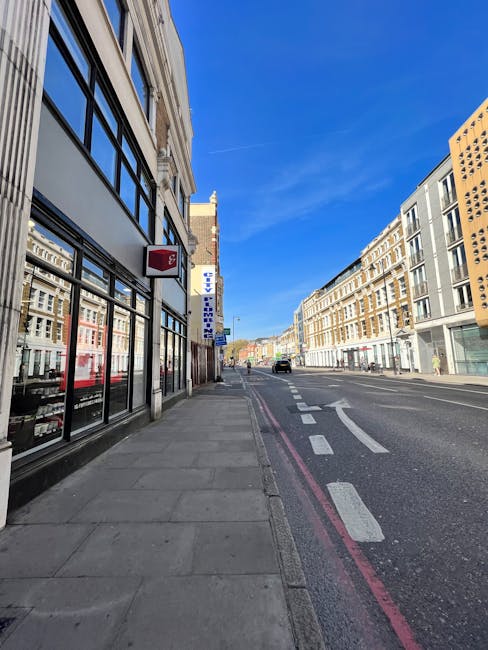
Tower Bridge Road adds another layer. It sits in a busy part of London where traffic, loading access, and tight pavements can all influence how a move unfolds. A team that understands commercial moves in the area can plan around access windows, loading points, and timing so your shop does not end up blocked off at the worst possible moment. To be fair, one badly timed van arrival can cause more stress than the packing itself.
There is also the human side. Shop staff usually have enough on their plate already: serving customers, managing stock, dealing with suppliers, and keeping the place tidy. If the office move is handled badly, everyone feels it. If it is handled well, it almost fades into the background. That is the goal.
For many local businesses, a well-planned move can also support a wider business reset. It may be a chance to improve layout, streamline admin, or combine the office move with a broader commercial moves plan. Sometimes that means less clutter, fewer duplicates, and a calmer workspace at the other end. Not glamorous, maybe, but genuinely useful.
How Tower Bridge Road office removals for Bermondsey shops Works
Most office removals for shops follow a simple pattern, although the details vary depending on what is being moved. The move usually starts with an assessment of access, volume, and timing. In a Bermondsey shop, that means looking at whether items need to come through the front, the back, a shared corridor, or a narrow staircase. It sounds basic, but overlooking this part is where problems start.
A good removal plan will separate the move into categories. Computer equipment, office furniture, records, retail supplies, signage, and any unwanted items should not all be treated as one generic pile. Paper files may need secure handling. Fragile screens need protection. Old chairs and worn storage units may be better removed in one run rather than squeezed into the main office load. That is where services such as packing and unpacking services can save a surprising amount of time.
On moving day, the team typically works through a sequence: disassembly, wrapping, loading, transit, unloading, and placement. If the shop is staying open during the move, the sequencing becomes even more important. You may need to move the office in phases, starting with non-essential items first and leaving the final handover pieces until the last practical moment. Sometimes that means a slightly longer process. Fine. A cleaner move is usually worth it.
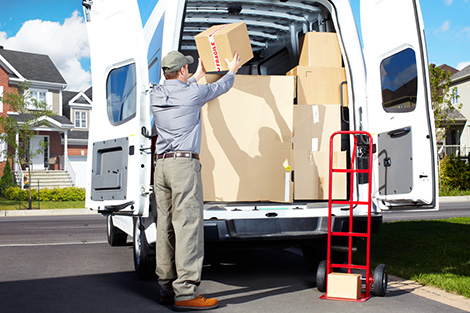
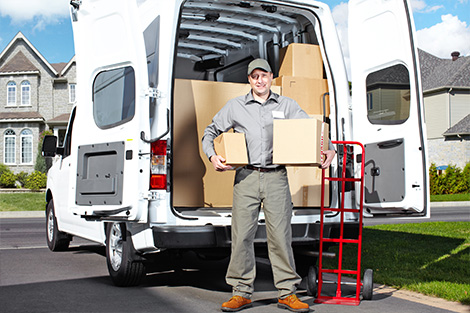
For larger or heavier loads, a vehicle with enough space and the right handling equipment matters. Depending on the amount of office furniture and stock support items involved, you might need a moving truck or a removal truck hire option that matches the scale of the job. The wrong vehicle can mean extra trips, extra lifting, and extra time on the road. Nobody wants that.
Key Benefits and Practical Advantages
When office removals are handled properly, the benefits are immediate and practical rather than abstract. Here is what shop owners in Bermondsey usually notice first:
- Less downtime: A tidy plan reduces the time your office is out of action.
- Better protection for equipment: Proper wrapping and loading help reduce the risk of damage to computers, monitors, printers, and shelving.
- Cleaner handover: If you are leaving a rented or shared space, a structured move makes it easier to hand the property back neatly.
- Less disruption to the shop floor: Staff can keep serving customers while the back-office move is staged intelligently.
- More control over waste: Unwanted furniture and redundant items can be cleared in the same project rather than left behind.
There is another benefit that gets overlooked: mental space. Once the move is mapped out, the whole thing feels lighter. The team knows what is happening and when. You are not answering the same questions all day, and the shop has a better rhythm.
If the move is part of a wider change, it can be sensible to combine it with other support such as office relocation services. That can help you keep the process practical rather than piecemeal. One job. One plan. Much easier to manage.
Who This Is For and When It Makes Sense
This kind of move suits Bermondsey businesses that have a shopfront and a working office space attached, whether that office is upstairs, at the rear, or tucked into a small back room. It is especially relevant for:
- independent retailers moving to a new unit nearby
- shops reconfiguring their back-office setup
- businesses downsizing office space but keeping the retail unit
- owners replacing old furniture and equipment at the same time
- seasonal businesses needing a quick but careful relocation
It also makes sense if the move is time-sensitive. Perhaps your lease is ending, your current setup is too cramped, or your storage arrangement has become awkward after a few years of growth. In those situations, dragging the move out is usually worse than getting it done decisively.
For smaller shops, a lighter-touch solution may be enough. A team offering man and van support can work well when you do not have a huge amount to shift. If the load is bigger but still not full-scale, man with van transport is often the practical middle ground. Not every shop move needs a massive operation, despite what some people assume.
Step-by-Step Guidance
If you want a move that feels controlled rather than improvised, work through it in stages.
- List everything that needs to move. Separate office furniture, IT equipment, paperwork, retail support items, and anything to be disposed of.
- Decide what stays, goes, or gets replaced. There is no point paying to move a tired chair or a broken cabinet unless you genuinely need it.
- Check access early. Measure doorways, stairwells, lifts, and loading areas. If a desk has to be turned sideways through a tight gap, you want to know before moving day.
- Plan the timing around trading. Early morning or quieter midweek slots often work better for Bermondsey shops, although the best option depends on your business hours.
- Protect sensitive items. Wrap screens, label cables, and keep files together. Small things become big headaches if they are mixed up.
- Arrange disposal separately where needed. If you are clearing old office chairs, filing cabinets, or unwanted fixtures, it may be sensible to use furniture pick up support so the move does not stall around junk.
- Set the order of unpacking. Put critical items in first: till-area support, admin tools, customer records, then furniture and extras.
- Do a final walk-through. Check cupboards, sockets, under desks, and storage corners. It is amazing what gets missed. Really amazing.
If your move involves old appliances or fitted items that will not be taken to the new site, make a plan for those in advance too. Services such as fridge and appliance removal can be useful for back-room clear-outs, especially where a shop has picked up a mixture of office and storage equipment over time.
Expert Tips for Better Results
A few small decisions can make a big difference on the day.
Label by destination, not just by contents. Instead of writing "paperwork" on every box, note where it should go: office desk, archive shelf, reception area, or storage. That saves time when you are tired and half the building is full of boxes.
Keep one clear box or bag for essentials. Include keys, chargers, tape, receipts, contact details, basic tools, and the first documents you will need. That little kit can prevent a lot of wandering around with a confused look on your face.
Protect the floor and corners. Shop interiors often have expensive finishes, awkward thresholds, or new paintwork. Simple padding and careful lifting avoid scuffs that are annoying now and expensive later.
Use the move to sort out dead weight. Old paperwork, cracked chairs, chipped shelves, and surplus furniture can be removed rather than transported. If the item is only being moved because nobody has had time to deal with it, that is usually a red flag.
Ask about insurance and handling standards. A reliable provider should be clear about how items are moved, how fragile goods are treated, and what happens if something unexpected comes up. For peace of mind, it helps to look at a company's insurance and safety approach before booking.
Keep communication short and direct. On a moving day, long-winded instructions are not your friend. A simple "this stack goes first, that cabinet stays, those boxes are fragile" is often all you need.
Common Mistakes to Avoid
Most move problems are preventable. That is the frustrating bit. Here are the ones that crop up again and again:
- Underestimating volume: Office items look smaller until they are all stacked in one place.
- Ignoring access issues: A van may be perfectly fine, but a stairwell or loading bay can still bottleneck the whole job.
- Failing to label boxes: If everything is in a plain brown box, you will spend ages opening the wrong one.
- Mixing keep and discard items: That creates confusion and can lead to accidental loss.
- Leaving data security to the last minute: Old paperwork and storage devices should be dealt with properly.
- Forgetting the business calendar: A move scheduled the day before a supplier visit or busy trading period can create unnecessary pressure.
One more thing: do not assume every mover understands commercial setups. Shops and offices have different priorities from a domestic house move. If the job includes office furniture, stock support areas, or records, it helps to choose a team used to structured commercial moves rather than a purely residential approach.
Tools, Resources and Recommendations
You do not need a warehouse of equipment to manage a smart office removal, but a few practical tools make the work smoother:
- Strong boxes and archive cartons: Use the right container for files, stationery, and smaller equipment.
- Marker pens and labels: Clear labelling is boring, yes, but it saves time later.
- Bubble wrap, blankets, and covers: Useful for screens, glass shelving, and delicate items.
- Basic toolkit: Screwdrivers, Allen keys, and tape measure help with disassembly and fit checks.
- Inventory sheet: A simple list can prevent missing items and reduce end-of-day panic.
- Digital backup: Store important files securely before anything starts moving.
From a service perspective, it can be useful to match the method to the load. For lighter jobs, man and van support is flexible. For heavier shop-office loads, a dedicated moving truck can offer more room and fewer trips. And if you want the move to feel less rushed, add packing and unpacking services so your team can keep running the business while the move is underway.
Law, Compliance, Standards, or Best Practice
For a shop move in Bermondsey, the main thing is to handle business assets, waste, and sensitive information responsibly. You do not need to turn the move into a legal dissertation, but there are some sensible best-practice points worth keeping in mind.
Data and paperwork: If your office contains customer details, invoices, personnel records, or supplier information, make sure old paper records are stored or destroyed properly. Where confidential documents are being disposed of, a service such as confidential shredding is a sensible option.
Waste handling: Office moves often produce unwanted items, from damaged furniture to outdated equipment. If you are clearing waste, keep recyclable material separate where you can and avoid dumping anything that needs specialist handling. For items that are unsuitable for standard disposal, hazardous waste disposal should be considered carefully and only with appropriate handling.
Health and safety: Moving awkward office furniture, boxes of files, or appliances through a busy shop requires common-sense lifting, clear routes, and steady communication. A provider's health and safety policy should give you confidence that the work will be handled in an orderly way.
Security and payment: If you are booking work in advance, it helps to understand how payments are handled and what terms apply. Checking payment and security information early can prevent annoying surprises later.
Environmental care: Reuse, donation, and recycling are worth considering before disposal. A move is a good moment to reduce waste instead of carrying clutter from one property to another. The more you can reuse, the better, really.
Options, Methods, or Comparison Table
There is no single best method for every Bermondsey shop. The right choice depends on what you are moving, how far, and how much support you want on the day.
| Move option | Best for | Strengths | Watch-outs |
|---|---|---|---|
| Man and van | Small office loads, quick local moves | Flexible, efficient, often easier for tight urban access | May not suit larger furniture volumes |
| Moving truck | Heavier office furniture and multiple loads | More space, fewer journeys, better for bulkier items | Needs access planning and may be less nimble |
| Full office relocation service | Busy shop moves, sensitive handling, phased relocation | More structured and hands-off for the business owner | Requires clearer planning upfront |
| Packed self-move with support | Cost-conscious owners who can prepare in advance | More control over sorting and packing | Needs time, staff effort, and decent organisation |
As a rule of thumb, the more complex the shop setup, the more valuable a structured relocation becomes. If the move involves old storage units, archives, and furniture disposal as well as transport, it is usually better to combine services rather than stitching together three separate plans at the last minute.
Case Study or Real-World Example
Imagine a Bermondsey independent shop with a small office behind the till area. The business is moving two streets away, still on Tower Bridge Road, but the new unit has a different back entrance and a slightly tighter internal layout. The owner has three desks, a printer, a filing cabinet, mixed stationery, and several boxes of stock records. There are also two old chairs and a broken shelf that no one has had time to deal with. Sound familiar?
Instead of treating it as a single pile, the move is split into three streams: keep, move, and remove. The paperwork is packed separately. The furniture is disassembled where needed. The old shelf is taken away rather than transported. The team uses a small moving vehicle for the main items and leaves the new office ready for reassembly that same day. The result is not dramatic. It is just clean, calm, and on time. Which, in a busy shop move, is honestly the win.
That kind of approach also leaves the retail side freer to keep trading. Staff are not stepping around random boxes for three days, and customers do not have to navigate a half-finished office clearance. Quietly efficient. Nice when that happens.
Practical Checklist
Use this checklist in the final days before the move:
- Confirm the move date and time window
- Check access at both properties
- Measure larger items and tight doorways
- Back up digital files and secure devices
- Label boxes by room or destination
- Pack an essentials box for the first day
- Separate items for disposal from items to keep
- Arrange help for furniture or appliance removal if needed
- Keep keys, codes, and contact details easy to reach
- Walk through the old space before handing it over
If you want to make the process even smoother, review the provider's policies on recycling and sustainability so you know how unwanted items will be treated. It is a small detail that can make the whole move feel more responsible and better organised.
Conclusion
Tower Bridge Road office removals for Bermondsey shops work best when they are treated as a business process, not a brute-force lifting job. The local area, the pace of shop life, the access issues, and the need to stay open all shape the way the move should be handled. If you plan the sequence carefully, label everything clearly, and choose the right support for the size of the job, you give your business a much better chance of moving without drama.
Most of all, keep it practical. Decide what is worth moving, what is worth clearing, and what needs special care. That simple mindset saves time, reduces mistakes, and makes the new space feel usable sooner. A good move should feel like progress, not punishment.
Get a free quote today and see how much you can save.
And if you are still at the "how on earth do we start?" stage, that is normal. Start with one box, one list, one clear plan. The rest tends to fall into place.
Frequently Asked Questions
What is included in Tower Bridge Road office removals for Bermondsey shops?
It usually includes office furniture, IT equipment, files, storage items, and any agreed removal or disposal work. Depending on the shop, it may also include packing, loading, transport, and reassembly at the new site.
How far in advance should I book a shop office move?
As early as you can, especially if you need a specific time window. Local shop moves often depend on access, trading hours, and vehicle availability, so a bit of lead time helps a lot.
Can I keep my shop open while the office is being moved?
Often, yes. Many Bermondsey shops move their office in phases so trading can continue. The key is to separate the back-office work from customer-facing areas and keep the route clear.
What should I do with old office furniture I do not want to keep?
You can arrange for it to be removed separately rather than taking it to the new place. If the furniture is still usable, it may be worth considering reuse or collection rather than disposal.
How do I protect confidential paperwork during a move?
Keep sensitive files boxed separately, label them clearly, and avoid leaving them mixed with general packing. If records are no longer needed, confidential shredding is the safer choice.
Is a man and van service enough for a Bermondsey shop office move?
It can be, if the move is small and local. For larger furniture loads or more complicated office setups, a bigger vehicle or a more structured relocation approach may be better.
What are the biggest risks during an office removal?
The main risks are damage to furniture or equipment, delays from poor access planning, and confusion over what is being kept or discarded. A clear inventory and careful packing reduce most of these issues.
Do I need packing help for an office move?
Not always, but it helps when you are busy or dealing with fragile items. Packing and unpacking support can save time and reduce the chance of breakage or mixed-up boxes.
How can I make the move less disruptive for staff?
Give everyone clear roles, pack in stages, and keep the essentials easy to reach. Staff usually handle the move much better when they know what is happening and when.
What should I check before booking a removal company?
Look at how they handle access, safety, insurance, payment, and disposal. It also helps to confirm whether they can handle office relocation rather than only domestic moves.
What if I also need to remove waste or bulky items?
That can often be handled as part of the same project. Depending on the items, you may need furniture collection, appliance removal, or a separate waste disposal plan.
How do I know if I need a moving truck instead of a smaller van?
If you have several large desks, cabinets, or multiple packed loads, a moving truck may be more efficient. For a smaller office, a van-based service can be enough and easier to manage around tight access.
Book online if you want to get the conversation moving without spending half the day on admin.